

Our partner organization KWEPU – Kamayoge Woman Education Progressive Unit – has been around since 2019. First came creative ideas, then planned implementation. Persistence and patience lead to success. We are proud to have such partners.
We are now receiving the latest report on the projects supported by BaRuIs eV.
“Rusinga has an average population of about 30,000 people. Most of them live on the 18 fishing beaches. Fishing is the most important economic activity for the island’s population; less than 3% engage in agriculture. Rusinga has 9 secondary schools, 26 primary schools, a vocational training center for young people (WAKIAGA), and a special needs school for physically disabled students (NYAMUGA).”
KWEPU coordinates four projects on the island:
Tree nursery
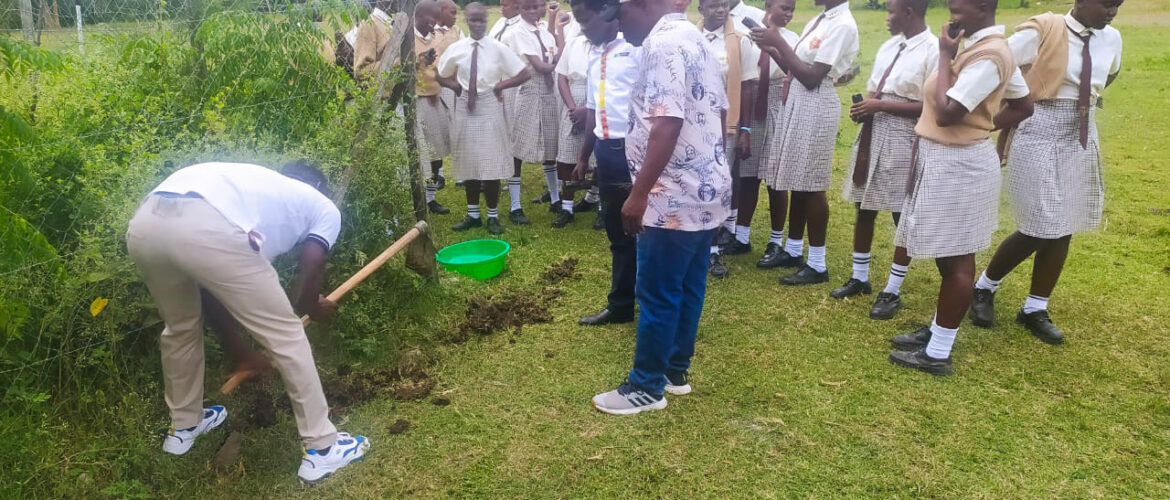
“In 2025, we were able to raise approximately 7,000 seedlings. Of this total production, we donated around 2,000 seedlings to private individuals, churches, and schools, sold about 4,000, and 1,000 seedlings are still in the nursery.
We partnered with the Kenya Commercial Bank (KCB) to plant the 4,000 seedlings in some schools.
After planting the trees, we conducted follow-up checks to assess progress and identify any potential problems. We found that approximately 45% of the planted trees survived, while 55% died due to the drought. This year, we experienced a longer drought period than in previous years. We plan to replace the trees early next year, 2026, during the rainy season.”
Orchard
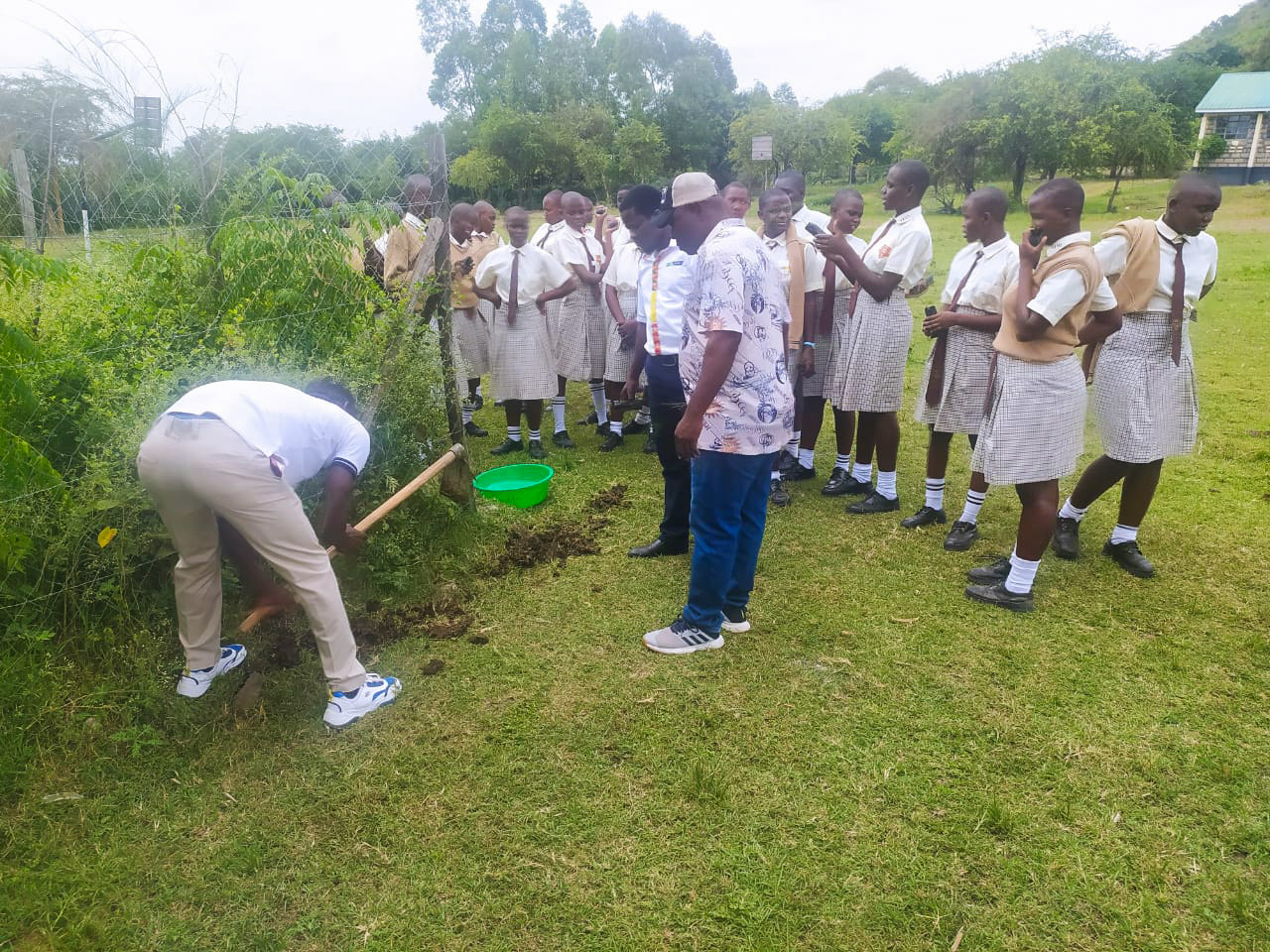
“The tree nursery is situated on a spacious plot of land. To make the best use of the land, we cultivate various fruit trees such as bananas, papayas, oranges, mangoes, avocados, and lemons, and also grow local vegetables. We sell part of the harvest, and use the rest ourselves, as our main goal with the garden is to improve food security.
We planted a small wooded area towards the lake shore. Despite all the difficulties we encountered throughout the year, we were able to harvest the majority of the fruit.
In 2025, we generated a total of 22,500 Ksh in revenue. With these sales proceeds, we were able to pay for electricity, repair the fence, purchase fuel for irrigation, acquire land, and buy more agricultural equipment such as machetes, djembes , and seeds. We plan to begin processing fresh juice in the garden at the beginning of 2026.
The biggest challenge is the ongoing drought, which has forced us to spend a lot of money on fuel to irrigate the garden. These high fuel costs have significantly reduced the savings intended for the overall development of the garden.”
Tailor’s
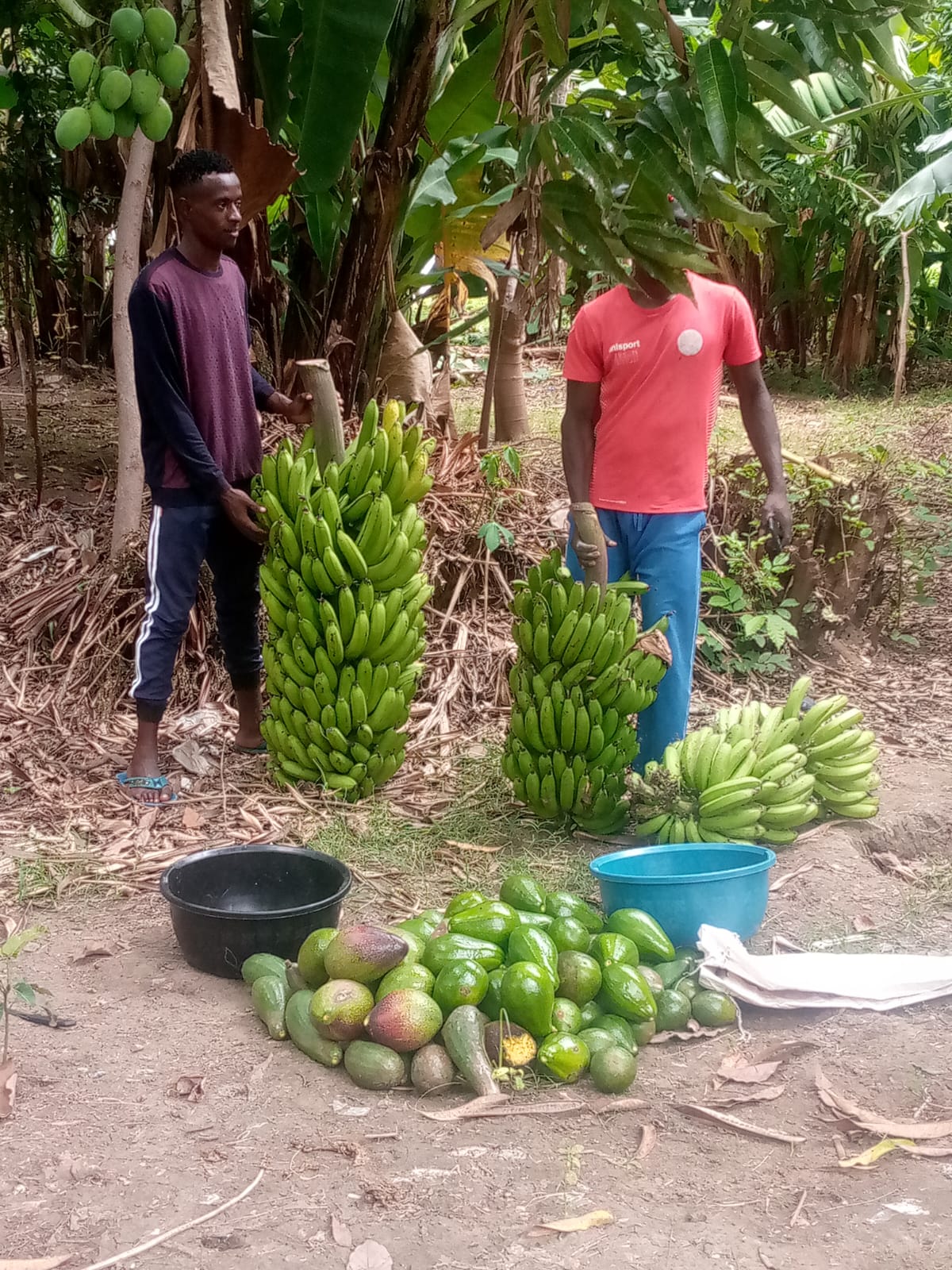
“The sewing machines were donated in 2020 during the Covid-19 pandemic to produce masks and donate them to students in schools and the general public, as wearing masks was mandatory in both public and private places.
Following the development of the vaccine, our organization decided to use the same machines to train interested community members in basic sewing skills and to produce school uniforms, which we then made available to students at a reduced price. Through this program, over 15 women from the community have already been trained, and numerous school uniforms have been produced. Some were donated free of charge to students in need, and the rest were sold to other students at very low prices.”
Sponsorship program
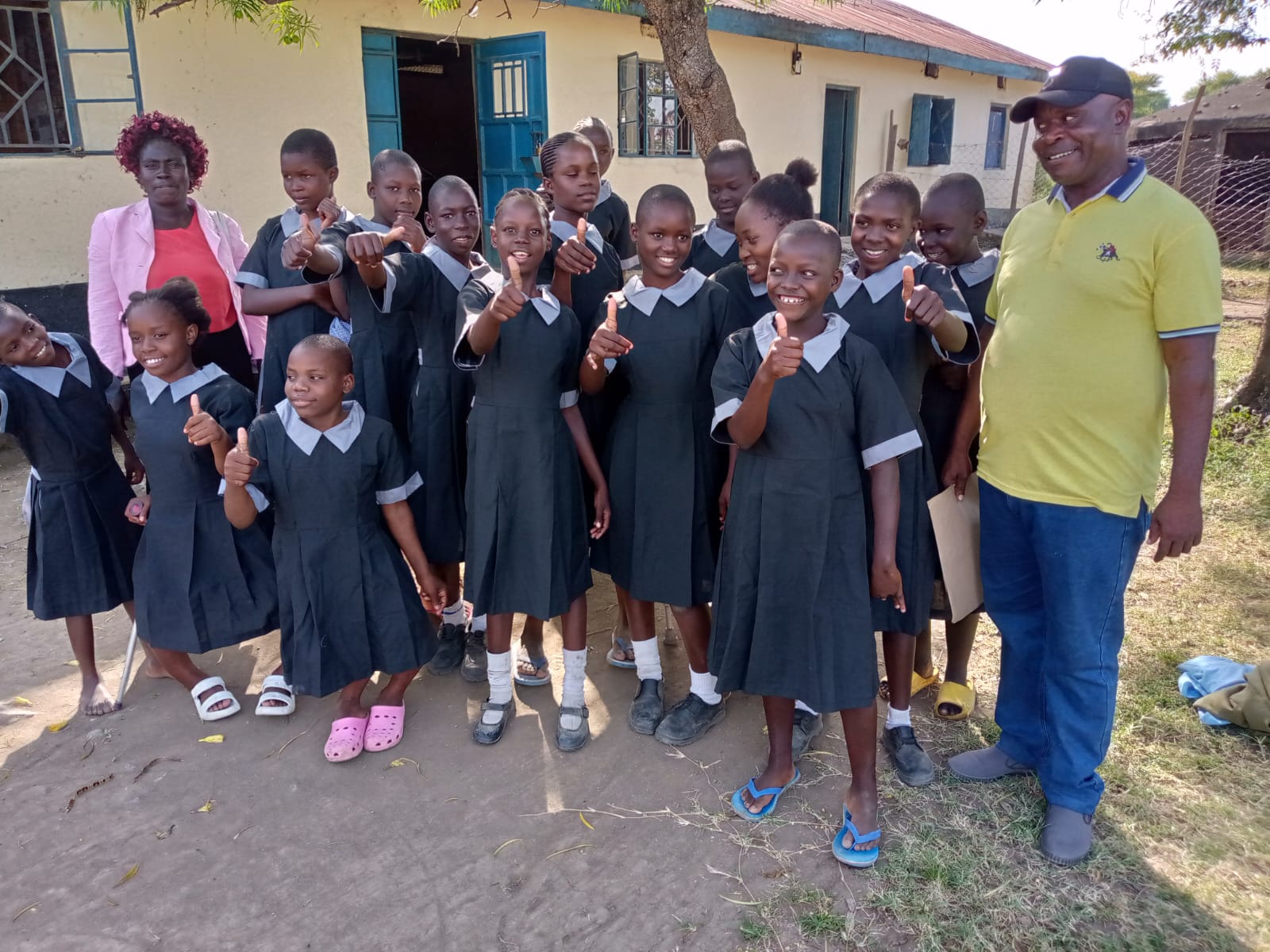
“From January 2025 onwards, we had a total of five students in the program: Bonface Okinyi, Everlyne Aketch, Violet Oyuko, Shantel Grace, Joventer Atieno.
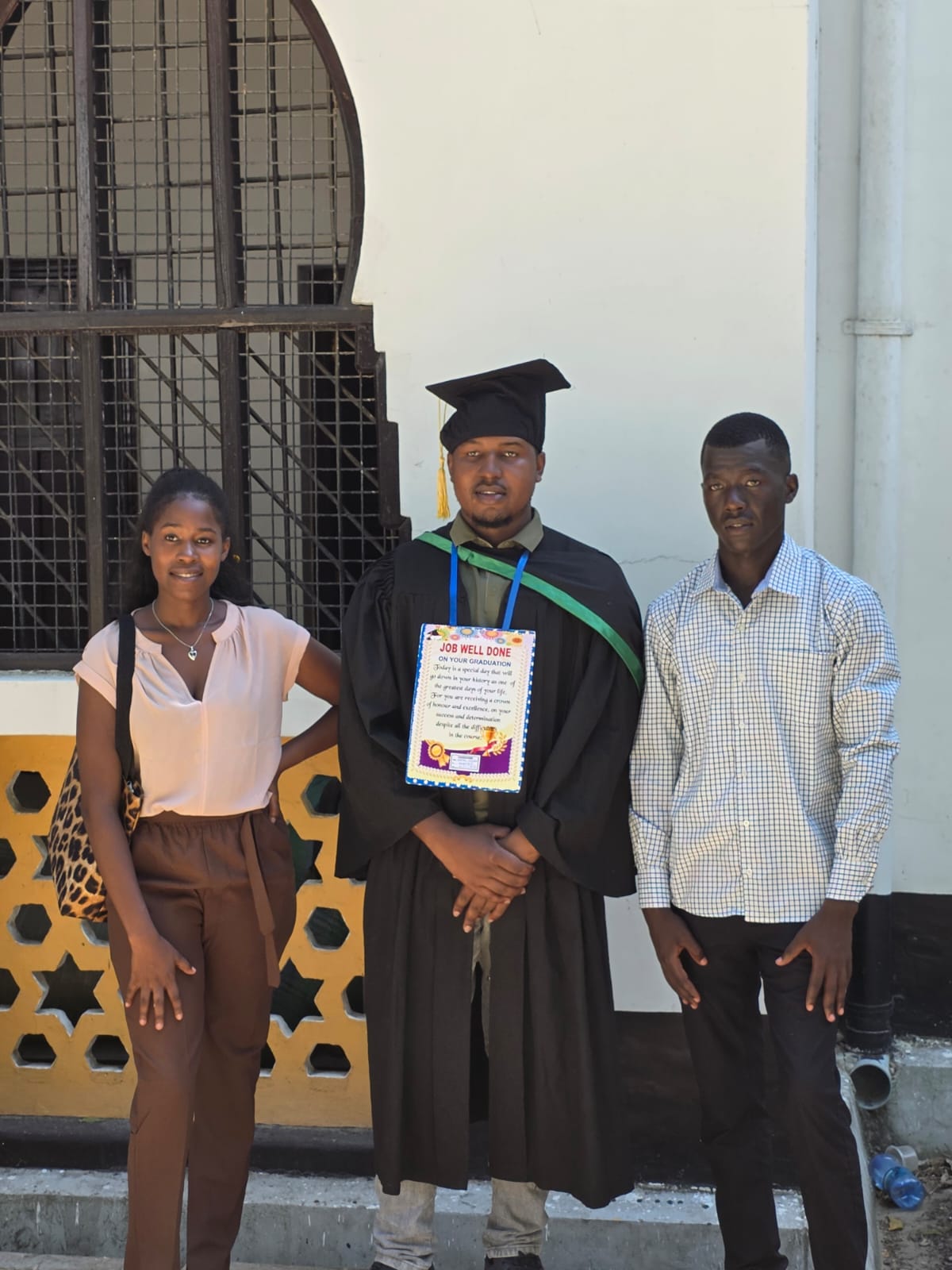
Bonface defended his bachelor’s thesis at Mombasa University of Technology in September and is now a biochemist. We congratulate him and wish him a successful start to his professional career.”

Other local partnerships
In 2025, KWEPU entered into partnerships with other local organizations, both private and public/governmental, to reach the population in different ways and across various sectors.
“In cooperation with the Homabay County Government, as part of the ‘Hope for the Hopeless’ program, we were able to recruit 246 young people for various diploma-level courses at Mawego National Polytechnic. We also placed 32 young people at Mbita Technical Training College. In addition, we organized a mentoring program through which we provided 127 girls with hygiene products.”